Boiling Down the Campaign: Finding the Best Ingredients for a One-Shot
Today’s guest article was written by...
Read More

Today’s guest article was written by...
Read More
My group is three sessions into a Star Trek...
Read More
Reading fellow Gnome Scott Martin’s article on...
Read More
This is the second TV case study. Previously...
Read More
Hello, and welcome to the first TV Case Study....
Read More
When you’re watching an episodic TV show...
Read More
Through our partner Engine Publishing, we've published six system-neutral books for GMs, with over 28,000 copies sold. Available in print and PDF.
 Focal Point
 Unframed
 Odyssey
 Never Unprepared
 Masks
Masks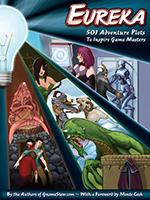 Eureka
Through our partnership in the G.E.M. collective, many of the Gnomes are affiliated with creating products through Encoded Designs. Available in print and PDF.
 Misdirected Mark Productions
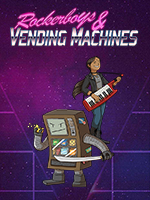 Rockerboys and Vending Machines
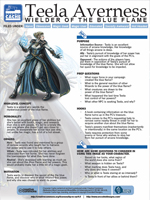 Character Cache
 Hydro Hacker Operatives