Background Events
One of the things I love about Blades in the...
Read More

One of the things I love about Blades in the...
Read More
From the beginning of the hobby, there have...
Read More
I don’t want to talk about Luke Skywalker...
Read More
Are visual aids a must-have element in your TTRPG sessions? Professional GM Daniel H. Kwan breaks down his favourite tool for creating dynamic and engaging stories!
Read More
Tabletop RPGs are some of the most powerful and reflexive learning tools. Here’s how one museum educator has been using them for over a decade!
Read More
I am in the car on my way home from Thanksgiving...
Read More
**Initial note: the word “queer” has a complex...
Read More
Today’s guest article is by Gnome Stew...
Read More
Today’s guest article is by Gnome Stew...
Read More
So, a while back I was making a decent number of...
Read More
I’ve been on a bit of a realism kick...
Read More
In my last article I talked about the various...
Read More
In the past year on my journey to get my groove...
Read More
I just finished a major project the other night...
Read More
Waaaay back in my introduction, I mentioned that...
Read More Calling all Writers! Come write for Gnome Stew!
We are always looking for new articles and gnomes to throw in the stew. Drop an article proposal over at
https://gnomestew.com/write-for-gnome-stew/
Guest authors get paid the same per article rate as full time staff gnomes.
Through our partner Engine Publishing, we've published six system-neutral books for GMs, with over 28,000 copies sold. Available in print and PDF.
 Focal Point
 Unframed
 Odyssey
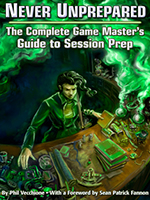 Never Unprepared
 Masks
Masks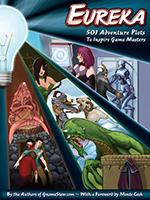 Eureka
Through our partnership in the G.E.M. collective, many of the Gnomes are affiliated with creating products through Encoded Designs. Available in print and PDF.
 Misdirected Mark Productions
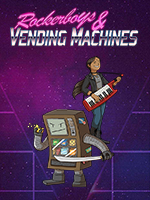 Rockerboys and Vending Machines
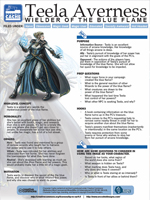 Character Cache
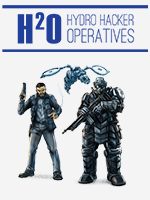 Hydro Hacker Operatives