Press On: Playing Without a Needed Role
You have all been in this situation. I got my...
Read More

You have all been in this situation. I got my...
Read More
I’ve recently completed a move to...
Read More
*Author’s note: A draft version of this...
Read More
While at Gen Con I met and hung out with some...
Read More
There’s a lot of subjects that we as gamers and...
Read More
Here’s something that is important for the...
Read More Calling all Writers! Come write for Gnome Stew!
We are always looking for new articles and gnomes to throw in the stew. Drop an article proposal over at
https://gnomestew.com/write-for-gnome-stew/
Guest authors get paid the same per article rate as full time staff gnomes.
Through our partner Engine Publishing, we've published six system-neutral books for GMs, with over 28,000 copies sold. Available in print and PDF.
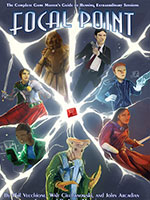 Focal Point
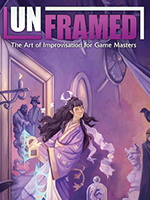 Unframed
 Odyssey
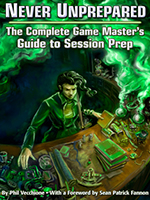 Never Unprepared
 Masks
Masks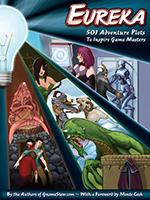 Eureka
Through our partnership in the G.E.M. collective, many of the Gnomes are affiliated with creating products through Encoded Designs. Available in print and PDF.
 Misdirected Mark Productions
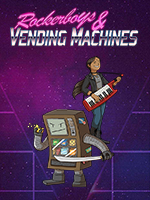 Rockerboys and Vending Machines
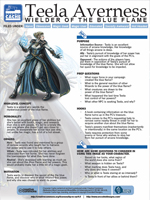 Character Cache
 Hydro Hacker Operatives