Unbound Issue 1 (Killers and Clues) Breakdown
In a similar manner to my articles in which I...
Read More

In a similar manner to my articles in which I...
Read More
In a recent game, my players reached an impasse....
Read More
When I was a kid, I saw the movie Goonies and...
Read More
The hardest type of adventure to both prep and...
Read MoreToday’s guest article is by Gnome Stew reader Rickard...
Read More
I love to GM mysteries and conspiracies. I have...
Read More
Connecting the dots. Mysteries are always about...
Read More
It’s no secret that I love investigative...
Read More
I have an affinity for mystery/investigation...
Read More Calling all Writers! Come write for Gnome Stew!
We are always looking for new articles and gnomes to throw in the stew. Drop an article proposal over at
https://gnomestew.com/write-for-gnome-stew/
Guest authors get paid the same per article rate as full time staff gnomes.
Through our partner Engine Publishing, we've published six system-neutral books for GMs, with over 28,000 copies sold. Available in print and PDF.
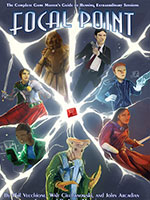 Focal Point
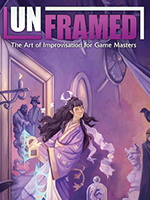 Unframed
 Odyssey
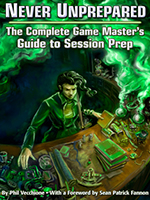 Never Unprepared
 Masks
Masks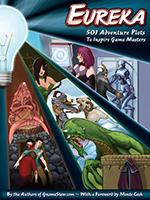 Eureka
Through our partnership in the G.E.M. collective, many of the Gnomes are affiliated with creating products through Encoded Designs. Available in print and PDF.
 Misdirected Mark Productions
 Rockerboys and Vending Machines
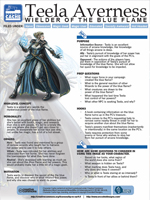 Character Cache
 Hydro Hacker Operatives