Posts Tagged by how to

GMingAdvice03

Today’s guest article was written by reader Todd Cash. It’s an in-depth look at how you can use the concept of TV pilot episodes to establish whether a campaign is worth your time. Thanks, Todd! Sometimes a game master gets an idea they aren’t fully sure how to nurture. Questions pop up that elicit concern for the campaign. How many sessions could this game last? Will my gaming group’s schedule ever let this work? For whatever reason, the GM isn’t sure they want to devote…

Wash technique adds black accent.

In this series so far we’ve created tiles from plaster using molds, assembled and glued them into place, and applied the base layer of paint. Now we’re ready to add layers of paint that will bring out the texture of the tiles. 1. Wash (then rinse) Here’s a spot where a small detail brush comes in handy. We’re going to do a wash, that is add a lot of water to a dollop of paint to make is extremely thin. We’re using black to fill…

Gather your painting supplies before you begin. Acrylic paints, brushes, a water dish and a pallet for mixing the paint. You'll be using a lot of paper towels, too.

In the first part of this series we cast the molds from plaster and in the second part we assembled and constructed the tiles into a modular dungeon set. Now we’re ready to apply paint. 1. Gather your painting supplies Apple Barrel brand acrylic paints are inexpensive and probably available at your local big box retailer or craft store. (More expensive brands of paints — acrylic or otherwise — are available, too.) Our set will need to replicate stone floor tiles and water in a…

Planning prevents mistakes when it comes time to gluing. Here are the pieces laid out for the pedastal.

In the first part of this series we selected a mold for casting, assembled some 250 pieces for our dungeon tiles, planned what our modular dungeon tiles would look like and cut out mounting board pieces to fit. Now we’re ready for the fun part — especially if you like building with Legos or Lincoln Logs or any similar toys — actually constructing our tile pieces. 1. Tile pieces, assemble! The first bit of business is to do a dry-fit of our various pieces on…

Today’s guest article comes from reader BryanB, who tackles one approach to running non-linear adventures in a comprehensive, usability-focused way. Thanks, Bryan! I used to use a fairly linear approach to adventure design, much like the writers of a typical module utilize. I’d often do a painstaking amount of detailed game prep. As many of my players tended to go off path during an adventure, I grew tired of seeing more than half of my preparation effort never see any use at the table. A…

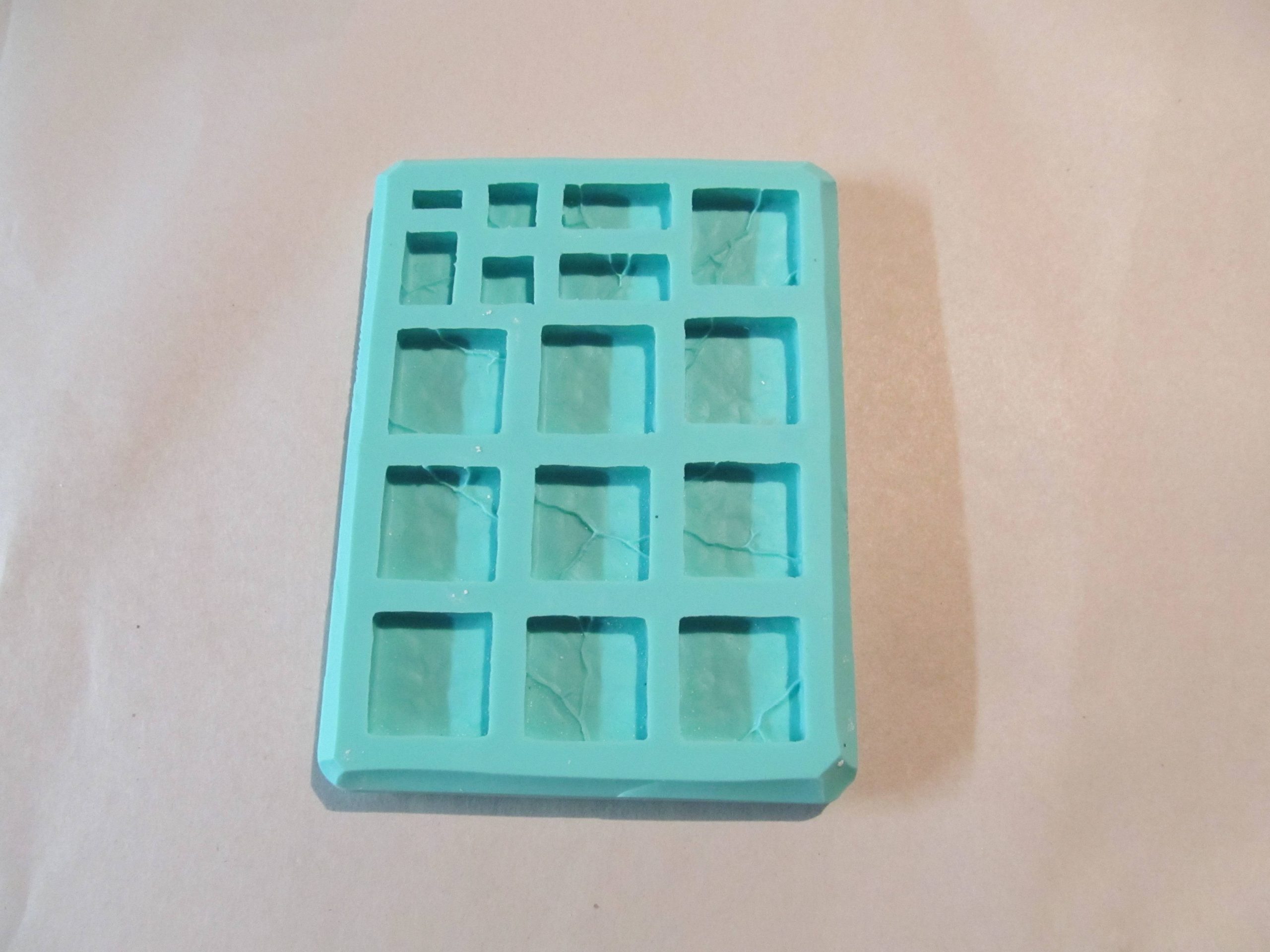
Cracked Floor Mold makes 10 1-inch tiles and assorted smaller ones.

An aspect of the hobby I find rewarding is the craft side, namely painting miniatures and constructing terrain from plaster mold pieces. Here is a “how to” on constructing a modular dungeon set with a single mold, using the kinds of crafting materials that are available at craft stores and big box retailers. 1. Selecting the mold I purchase molds from HirstArts. For this exercise I chose one of the least expensive. Cracked Floor Tiles, Mold No. 203 is an excellent choice as a starter.…

Over the past couple of years, I’ve refined a simple, lazy, but highly effective approach to RPG background music. I call it the Three Playlist System, and in this article I’m going to show you how to use it. This approach to BGM balances the desire to set the mood at the gaming table with the need to focus on what really matters: the game. I want background music and my group wants background music, but we don’t want to devote a lot of time…