Dungeon Masters Guild and Adventurer’s League changes
5e Public Play: It’s all Adventurer’s League now...
Read More


5e Public Play: It’s all Adventurer’s League now...
Read More
The third D&D encounter season features Out...
Read More
Thanksgiving is tomorrow in the US, a time of...
Read More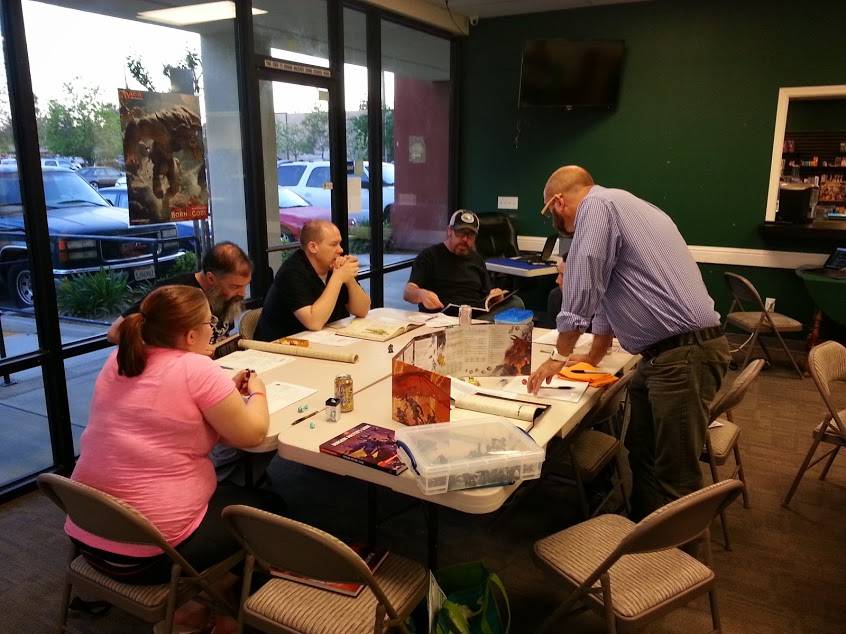
Hip Pocket Games aren’t a real classification or genre of RPG. Instead, hip pocket games are scenarios that you’re always ready to run. They’re there in your hip pocket, ready to whip out and play on minimal notice.
Sometimes, these games are full game systems, like A Penny for My Thoughts, which is a GMless game designed for a single evening’s play. Other times, they’re specific scenarios, like Secrets of Sokol Keep (a D&D 5e scenario), or Dark*Star, the Fate adventure (and setting).
Any game that you can run with minimal prep is a good hip pocket game for you. You’re basically taking something big and amorphous, like everything a D&D game can be, and mastering a specific version of it. When you meet someone new or attend a con, you can leap into play and always be ready to contribute. It’s much like having a board game in your backpack that you love and can teach effortlessly.
Read More
One of the mechanics built into Primetime...
Read More
I love Fate Core, and I enjoy running it at...
Read More
I recently completed a pair of short series of...
Read More
Con season has begun; Walt’s already been...
Read More
A few weeks ago, I wrote an article about taking...
Read More
It can be difficult to switch over, to cross the...
Read More
A good smack in the nose can teach a valuable...
Read More
I’m currently the producer for a pair of...
Read More
I recently received the new version of Primetime...
Read More
I recently completed a few months of public play...
Read More
First, a bit of sad news. A great tool for...
Read More
Through our partner Engine Publishing, we've published six system-neutral books for GMs, with over 28,000 copies sold. Available in print and PDF.
 Focal Point
 Unframed
 Odyssey
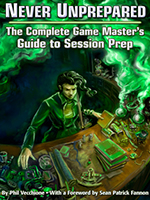 Never Unprepared
 Masks
Masks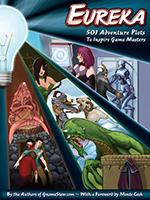 Eureka
Through our partnership in the G.E.M. collective, many of the Gnomes are affiliated with creating products through Encoded Designs. Available in print and PDF.
 Misdirected Mark Productions
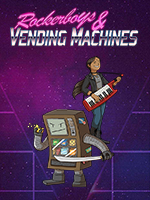 Rockerboys and Vending Machines
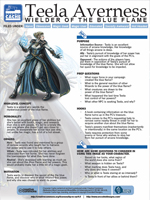 Character Cache
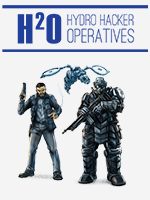 Hydro Hacker Operatives