A Case Study In Dice Stat Tests Part 3: Suggested Analysis
Part 3 of a 3 part series on dice analysis: a suggested analysis
Read More


Part 3 of a 3 part series on dice analysis: a suggested analysis
Read More
Part 2 of a 3 part series on dice analysis: Review of Honest Dice Analysis
Read More
Part 1 of a 3 part series on dice analysis: a general approach
Read More
Familiars are many and varied, with a...
Read More
Matt briefly discusses social contracts and how they interact with bad behavior.
Read More
A decade-ish ago, I wrote an article entitled...
Read More
Last year for my birthday, my wife bought the...
Read More
Matt discusses why dice are not only not fair, but don’t even roll their own unique distribution fairly.
Read More
Matt shows some examples of how ChatGPT can be used as prep tools for your game.
Read More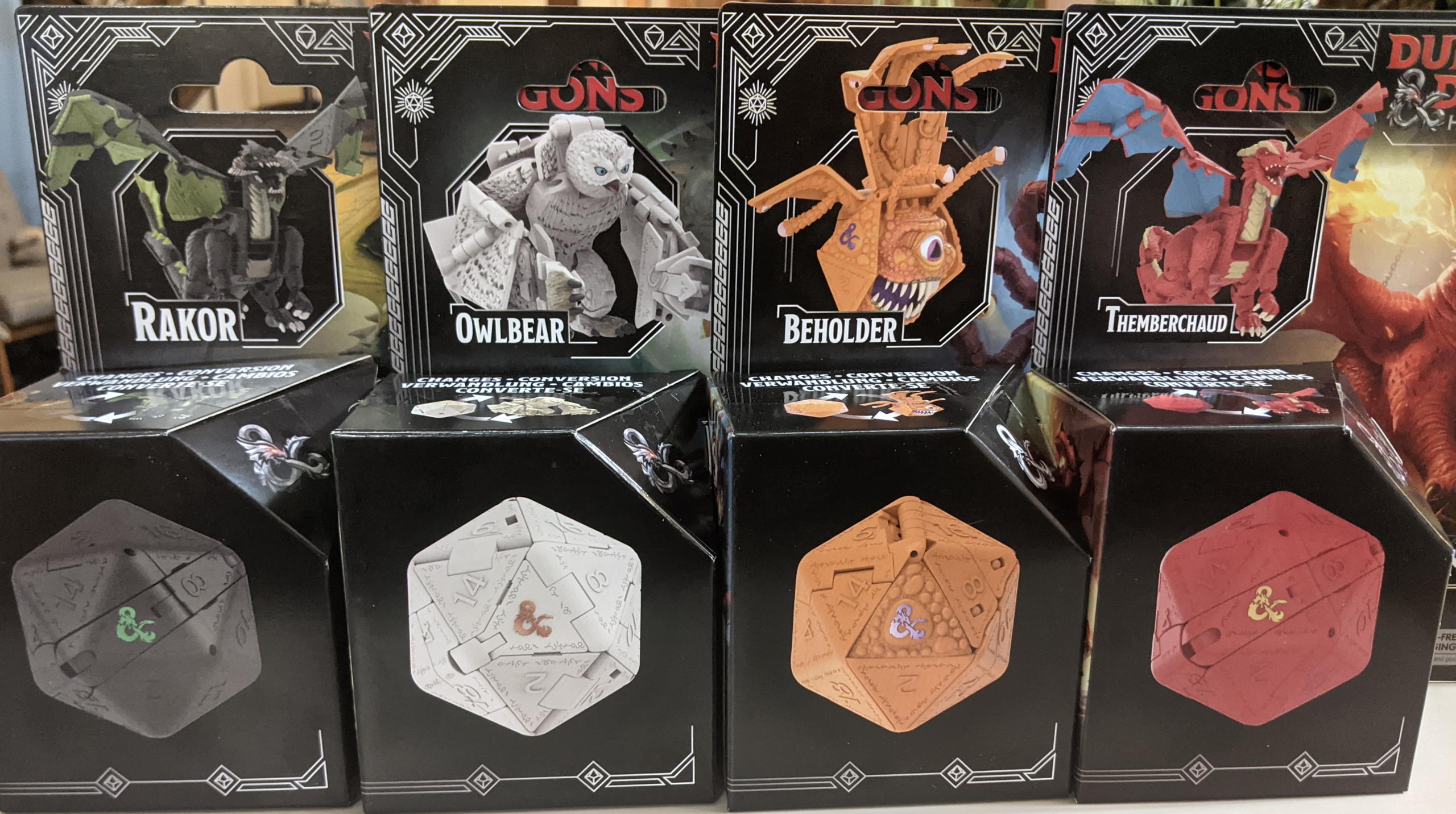
I’m a sucker for unusual dice, so when...
Read More
Matt reviews some dice from Cyberdicegames.
Read More
Matt compares 5e Spelljammer to his favorite setting of all time: 2e Spelljammer.
Read More
bugbears are “just a raid by bugbears” if the players WANT them to be just a raid by bugbears
Read More
Cursing is an interesting part of our culture....
Read More
Obligatory recap: I’ve read about a system...
Read More
Through our partner Engine Publishing, we've published six system-neutral books for GMs, with over 28,000 copies sold. Available in print and PDF.
 Focal Point
 Unframed
 Odyssey
 Never Unprepared
 Masks
Masks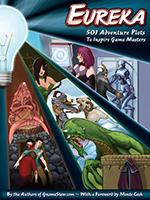 Eureka
Through our partnership in the G.E.M. collective, many of the Gnomes are affiliated with creating products through Encoded Designs. Available in print and PDF.
 Misdirected Mark Productions
 Rockerboys and Vending Machines
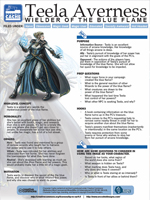 Character Cache
 Hydro Hacker Operatives